Last updated: August 13, 2026
Most gas grills do not wear out - they gunk up. Grease hardens in the burner box, drippings block the ports, and two seasons later the flame is uneven and the food tastes like last year. The fix is a routine with three levels, none of them long.
Quick Answer
After every cook: burn off residue on high for 10 minutes, brush the hot grates, close the lid. Two minutes of effort.
Monthly: empty the grease trap, wash the grates and flame tamers in soapy water, scrape the burner box.
Twice a season: deep clean - burners out, ports cleared, firebox scraped to metal, exterior washed, a soapy-water leak check on the gas line.
After Every Cook: The 2-Minute Habit
- When the food comes off, turn all burners to high and close the lid for 10 minutes. The heat carbonizes residue into ash.
- Brush the grates while they are hot - carbonized residue releases with a few strokes. A cordless electric grill brush ($49.99) does the scrubbing on its own motor and mists water for steam-cleaning; any bristle-free manual brush works too.
- Turn off the burners, then the tank valve. Close the lid.
This habit alone prevents most of what a deep clean exists to fix.
Monthly: The 20-Minute Degrease
- Grease trap: empty and wash it. A full trap is the number-one cause of grill fires.
- Grates: soak in warm soapy water, scrub, dry completely, and wipe with a thin coat of cooking oil to protect the finish.
- Flame tamers: the metal plates over the burners collect the worst drippings - scrape both sides.
- Burner box: scrape loose debris into the trap opening. Check that the burner ports show even rows of small flames when relit; uneven flame means blocked ports.
Twice a Season: The Deep Clean
- Disconnect the propane tank.
- Remove grates and flame tamers; lift out the burners.
- Clear the burner ports with a toothpick or paperclip - never anything that widens the hole.
- Scrape the firebox walls to bare metal and vacuum the debris.
- Wash the lid and exterior with warm soapy water. On a stainless lid, wipe with the grain.
- Reassemble, reconnect, and run a leak check: brush soapy water over the hose and connections, open the tank valve, and watch for bubbles. Bubbles mean a leak - retighten or replace before cooking.
How to Store a Grill for Winter
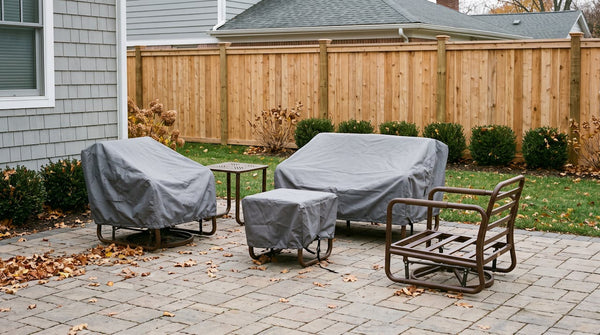
Deep clean first, coat the grates with oil, close the tank valve, and cover it. The tank stays outside - never store propane in a garage or shed. A fitted cover matters more than location: the MBY portable 4-burner grill ($369.49) ships with one, and covers for other models cost less than the rust they prevent.
What Maintenance Actually Extends a Grill's Life?
Three things, in order: keeping the grease trap empty (fire prevention), oiling the grates after washing (rust prevention), and covering the grill between cooks (everything else). A grill like the 4-burner propane grill with side burner ($365.89) has a powder-coated steel body built for weather - but no coating outlasts a grease fire or a winter of bare grates.
Frequently Asked Questions
How often should you clean a gas grill?
Brush the grates after every cook, degrease monthly during grilling season, and deep clean twice a year - start and end of the season. Skipping the monthly step is what turns the seasonal one into an afternoon.
Are wire grill brushes safe?
Worn wire brushes can shed bristles that end up in food. Replace any wire brush showing loose bristles, or switch to a bristle-free scraper or an electric brush with nylon pads.
Can you pressure-wash a gas grill?
The body, yes - burners and valves, no. High-pressure water forces grease deeper into burner ports and can damage regulators. Hand tools and soapy water clean everything that matters.
Why is my grill flame yellow or uneven?
Blocked burner ports or spider webs in the venturi tubes, in most cases. Clear the ports with a toothpick during the deep clean; if the flame stays yellow, the burner may need replacing - most are inexpensive standard parts.
Browse grills and griddles, see the griddle vs. grill comparison, or start from the full outdoor cooking range.